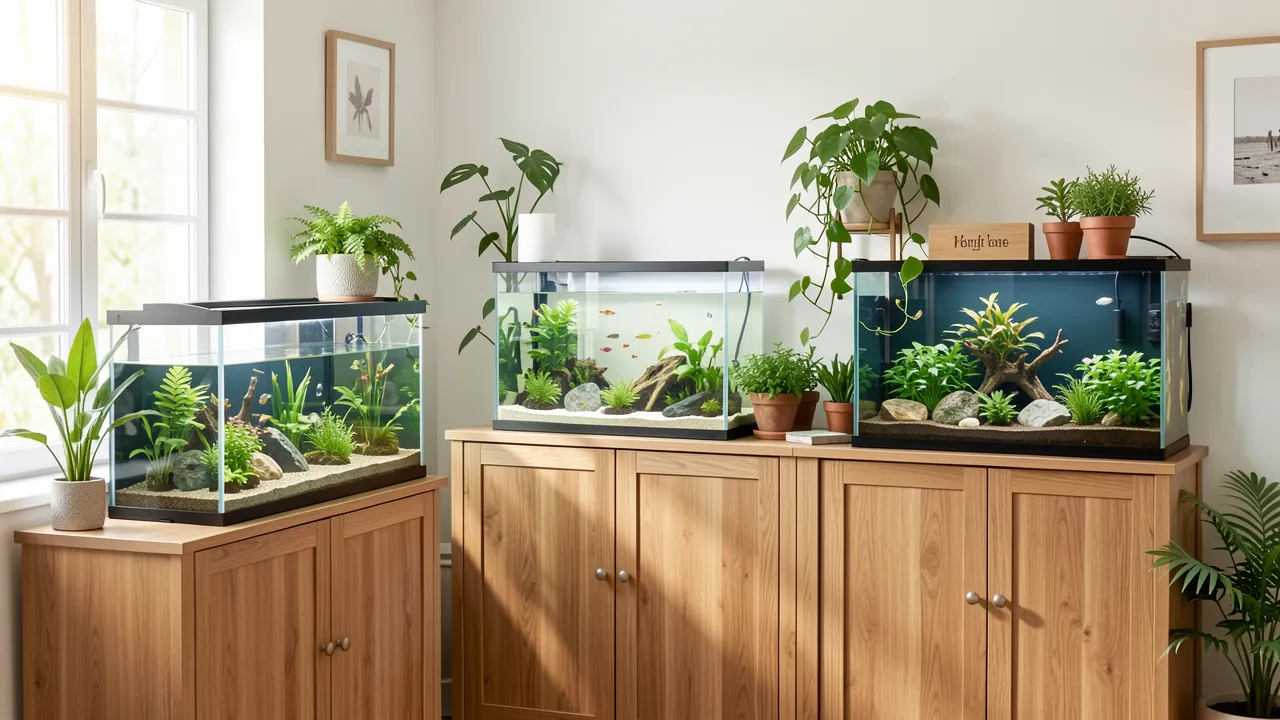







How to cycle a new aquarium safely
Cycling a new aquarium safely is one of the first and most rewarding steps in building a healthy home for fish, shrimp, or other aquatic life. When done properly, this process gives beneficial bacteria time to establish and helps the tank process waste without exposing its inhabitants to toxic ammonia or nitrite spikes. Rushing this stage often leads to stress, illness, and avoidable losses, while a patient approach creates a stable environment from the start.
Why cycling matters before adding fish
A newly filled aquarium may look ready, but biologically it is not yet equipped to handle waste. Fish release ammonia through their gills and in their excretion, and leftover food and plant debris add more. In a mature aquarium, bacteria convert that waste into less harmful compounds. In a new setup, those bacteria have not yet colonised the filter, substrate, and other surfaces.
The nitrogen cycle in simple terms
The cycle usually follows three steps:
- Ammonia builds up from waste and decomposition.
- Nitrite appears as the first group of bacteria starts working.
- Nitrate forms when a second bacterial group processes nitrite.
Nitrate is far less toxic than ammonia or nitrite, and regular water changes keep it under control. During cycling, your goal is to establish a living filter that can complete this transformation reliably.
What happens if you skip it
If fish are added too early, their environment can become toxic within days. Even if they survive the first ammonia spike, they may suffer long-term damage. A properly cycled aquarium gives you a much better chance of success, especially with sensitive species.
Choose the safest cycling method for your setup
There are several ways to cycle an aquarium, but the fishless method is usually the safest and most humane. It allows the bacteria to grow without putting animals at risk. If you already have fish in the tank, a careful “fish-in” cycle can be managed, but it requires frequent testing and water changes.
Fishless cycling with pure ammonia
This method uses a measured ammonia source to feed the bacteria. Add enough to reach a modest concentration, then test regularly until the tank can process it to zero ammonia and zero nitrite within 24 hours. Once that happens, your aquarium is biologically ready for livestock.
Cycling with bottled bacteria
Commercial bacterial starters can help seed the filter, but they are not a shortcut that eliminates monitoring. Their effectiveness varies, and they work best when paired with a proper ammonia source, stable temperature, and good oxygenation.
Fish-in cycling as a last resort
If fish are already present, feed lightly and test the water frequently. Perform partial water changes whenever ammonia or nitrite rise. This approach demands discipline, because the well-being of the fish depends on your daily attention.
Set up the aquarium to support bacterial growth
Before the cycle begins, make sure the tank is arranged to encourage stable conditions. Bacteria grow on surfaces and need oxygenated water flowing through the filter.
Use dechlorinated water, because chlorine and chloramine can damage bacterial colonies. Run the filter continuously, and make sure the media stays wet at all times. If possible, include porous media such as sponge, ceramic rings, or bio-balls, which provide plenty of surface area.
Temperature also matters. Most tropical aquarium bacteria work well in the same range as many fish, though you should still match the needs of your intended species. Strong water circulation helps bacteria thrive, but avoid creating excessive turbulence if you plan to keep calm-water species.
Test the water and keep a simple record
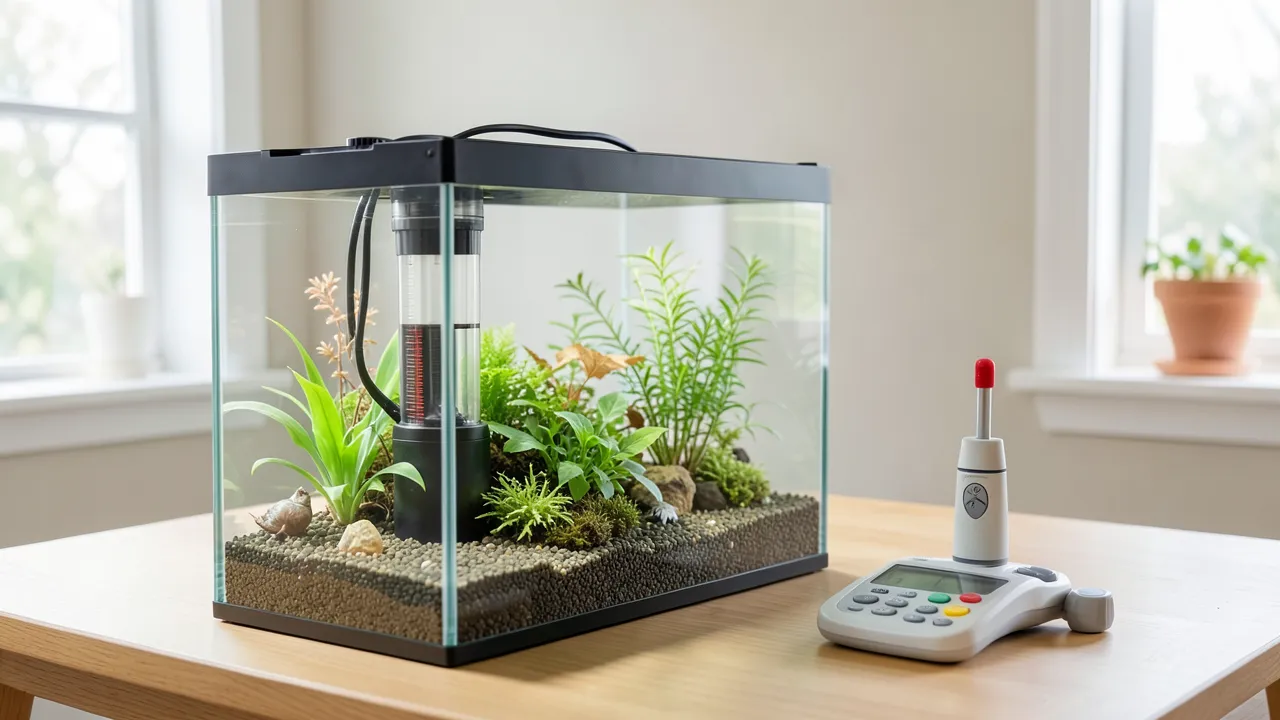
Testing is what turns cycling from guesswork into a manageable process. Reliable liquid test kits are generally preferred over strips because they offer more precise readings. Track ammonia, nitrite, and nitrate throughout the process, and write down the results each day or every few days.
If you need a deeper understanding of how stable water conditions affect livestock health, Water Quality Management for Healthy Aquatic Environments offers useful background that complements the cycling process.
What numbers to watch
During a fishless cycle, ammonia should rise first, then fall as nitrite rises. Later, nitrite will also drop, while nitrate increases. The tank is considered cycled when it can convert a normal ammonia dose to zero ammonia and zero nitrite within 24 hours, leaving only nitrate behind.
How long it usually takes
Cycling time varies widely. A new tank may take several weeks, and sometimes longer, depending on temperature, filter size, media quality, and whether bacteria were seeded. Patience pays off here; a tank is ready when the numbers say it is, not when the calendar says so.
Avoid common mistakes that slow the process
Many problems come from trying to move too fast. Overstocking a brand-new tank is a frequent error, as is feeding fish too heavily during a fish-in cycle. Another common issue is cleaning filter media with tap water, which can kill the very bacteria you are trying to grow.
Small habits that make a big difference
- Keep the filter running day and night.
- Rinse media in tank water, not chlorinated tap water.
- Do not add too many fish at once.
- Use dechlorinator every time you add fresh water.
- Test consistently until the cycle is complete.
These habits help the bacterial colonies establish themselves without unnecessary setbacks.
Know when your aquarium is ready
A cycled aquarium should show zero measurable ammonia and nitrite, with nitrate present and controllable through water changes. The water may still need fine-tuning for pH, hardness, and temperature, but the biological filter will be doing its job.
When the tank reaches this stage, add livestock gradually. Start with a modest stocking level, monitor the water closely for the first week or two, and avoid overfeeding. Even a cycled tank can be overwhelmed if too much waste is introduced too quickly.
A patient start leads to a healthier aquarium
Cycling a new aquarium safely is less about speed than consistency. By creating the right conditions, testing regularly, and resisting the urge to stock too early, you give your aquarium the best possible foundation. A stable nitrogen cycle is the backbone of long-term aquarium health, and once it is established, maintenance becomes far easier.
- Fishless cycling is the safest method for most setups.
- Beneficial bacteria need ammonia, oxygen, and time to establish.
- Liquid test kits help you track progress accurately.
- Avoid cleaning filter media with chlorinated water.
- Add fish gradually only after ammonia and nitrite read zero within 24 hours.
With a careful start, your aquarium can become a balanced, resilient environment that supports healthy aquatic life for years to come.