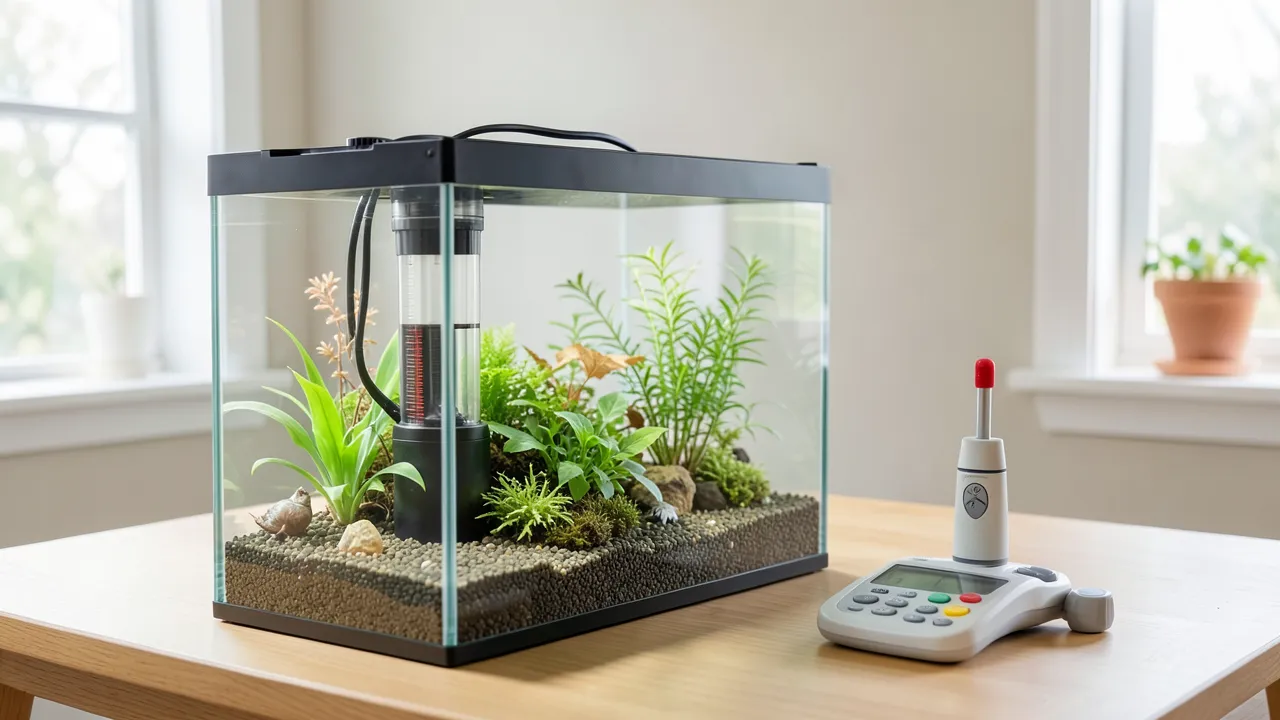







How to choose the right aquarium size
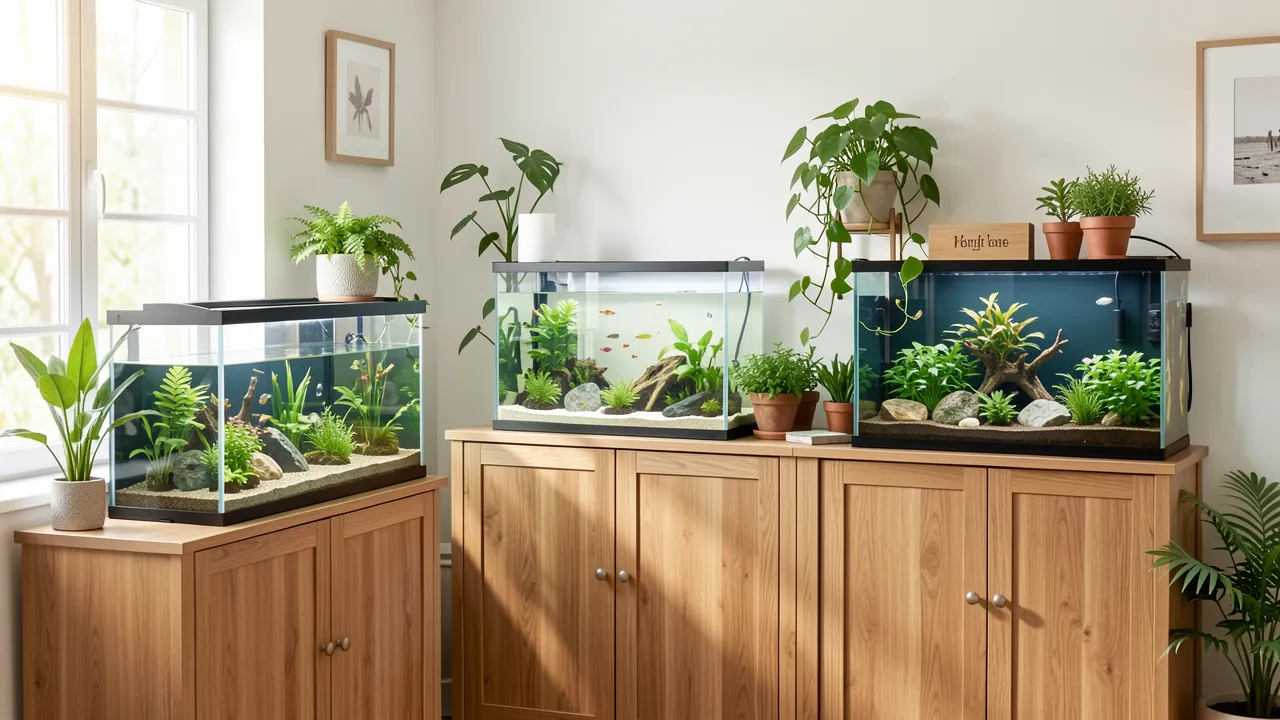
Choosing the right aquarium size shapes every part of your fishkeeping experience, from maintenance time to stocking options and long-term costs. A tank that seems large in a shop may feel cramped once equipment, plants, décor and fish are inside. By considering your available space, preferred species and routine realistically, you can select an aquarium that remains enjoyable rather than demanding.
Start with the space available in your home
Measure the intended location before browsing aquarium sizes. Record the width, depth and height, then allow extra room for cables, filters, lids and access during water changes. You should also leave enough space above the aquarium to remove the lid, position a light unit or maintain a hang-on-back filter.
A filled aquarium is much heavier than many people expect. Water weighs roughly one kilogram per litre, before adding the glass, substrate, rock and equipment. A 100-litre setup can easily exceed 130 kilograms. Place it on a purpose-built aquarium cabinet or a strong, level piece of furniture designed to carry the full load.
Avoid direct sunlight, radiators, draughty doors and areas with frequent temperature changes. Sunlight can encourage algae growth, while fluctuating temperatures can stress fish. A quiet but visible location, such as a living room wall away from windows, often works well.
Larger aquariums are usually easier for beginners to manage
Many first-time fishkeepers choose a small tank because it seems simpler and less expensive. In practice, very small aquariums can be less forgiving. Waste, leftover food and temperature changes affect a small water volume quickly. A larger aquarium dilutes these changes and provides more stable conditions.
For many beginners, a tank between 60 and 120 litres offers a practical balance. It provides room for a community of small fish, plants and useful equipment without becoming too heavy or costly for a typical home. Nano aquariums below 30 litres can be attractive, but they demand close attention to water parameters and stocking levels.
Before adding fish, the aquarium must complete its nitrogen cycle. This process allows beneficial bacteria to establish in the filter and substrate, helping convert toxic waste into safer compounds. Follow How to cycle a new aquarium safely to prepare the tank properly before introducing livestock.
Choose the volume according to the fish you want to keep
The best aquarium size depends less on a simple litres-per-fish rule and more on the needs of the species you intend to keep. Adult size, swimming behaviour, social structure and waste production all matter.
Small schooling fish, such as neon tetras, ember tetras or harlequin rasboras, need space to swim together. While they are physically small, a group looks and behaves better in an aquarium with adequate length. A 60-litre tank may suit a modest group, whereas a longer 90-litre aquarium gives more natural swimming room.
Some fish need considerably larger tanks than beginners anticipate:
- Goldfish produce substantial waste and need generous water volume and filtration.
- Angelfish grow tall, so aquarium height matters as much as capacity.
- Plecos can become large and require broad floor space.
- Cichlids may establish territories, requiring a longer tank with visual barriers.
- Betta fish can live in smaller aquariums, but still benefit from heated, filtered tanks of at least 20 litres.
Research adult dimensions, not the size of fish sold in shops. A tank should accommodate the animal’s adult needs, not its temporary juvenile size.
Aquarium dimensions matter as much as the stated litres
Two aquariums can hold the same volume while offering very different habitats. A tall, narrow tank may look dramatic, but it provides limited swimming length and surface area. A longer, wider aquarium generally gives fish more usable space and improves gas exchange at the water surface.
Wide tanks also offer more room for planting, hardscape and bottom-dwelling species. Corydoras, loaches and many shrimp benefit from a broad footprint where they can forage. Taller tanks may be suitable for species that use vertical space, such as angelfish, but they can be harder to clean and decorate.
If you are deciding between two similarly sized options, choose the aquarium with the larger footprint unless your chosen species has specific height requirements. For broader planning advice, Aquarium and Garden Pond Setup Tips for Beginners can help you assess equipment, placement and setup priorities.
Plan for filtration, maintenance and future changes
Every aquarium needs a filter sized for its actual water volume and livestock load. A larger tank does not remove maintenance, but it gives you more time to respond if a problem develops. You should expect to test the water regularly and change part of it each week.
Think ahead before purchasing. Your first stocking plan may be modest, yet your interest could grow once you gain confidence. Selecting a slightly larger aquarium than your minimum requirement may prevent an early upgrade. However, do not buy a very large tank purely because it seems impressive if you cannot maintain it consistently.
Stable water chemistry supports fish health, plant growth and biological filtration. Water Quality Management for Healthy Aquatic Environments covers the core parameters you should monitor, including ammonia, nitrite, nitrate, pH and temperature.
Use this checklist before buying an aquarium
Before making your final choice, review these practical points:
- Measure the floor space, cabinet dimensions and clearance above the tank.
- Confirm that the chosen furniture can safely support the filled aquarium.
- Research the adult size, behaviour and social needs of your preferred fish.
- Choose a tank with a generous surface area for most community setups.
- Budget for filtration, heating, lighting, substrate, water tests and maintenance tools.
- Select a volume you can clean, test and maintain every week.
- Allow stocking plans to develop gradually after the aquarium has cycled.
Choose an aquarium size that supports long-term enjoyment
The right aquarium is not necessarily the smallest option that fits your room or the largest one within your budget. It is the size that offers your fish appropriate space, keeps water conditions stable and fits comfortably into your weekly routine. For many homes, a well-planned medium-sized aquarium provides the most flexible starting point, with enough capacity for a healthy aquatic community and enough manageability for confident care.